
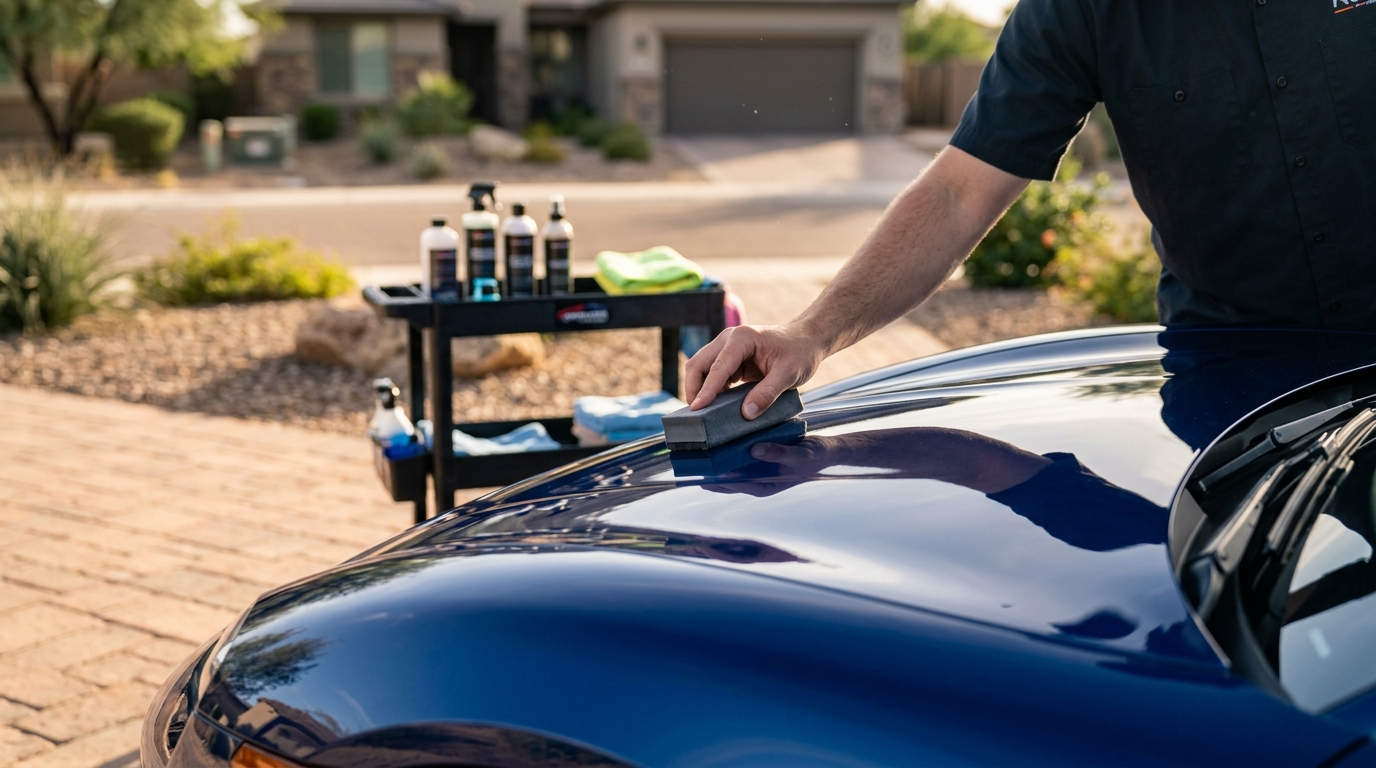
Paint Correction and Ceramic Coating in Gilbert, AZ: The Ultimate Guide
Yes, Phenomenal Auto Care provides professional paint correction and ceramic coating services directly in Gilbert, AZ. This guide explains how to evaluate local providers, verify their credentials, and understand the technical process. It covers cost drivers, common mistakes, and long-term maintenance strategies for Arizona drivers.
How to Choose a Provider
Selecting the right detailer requires looking beyond marketing claims. A professional mobile detailer must demonstrate specific technical capabilities in paint correction and coating application. You should prioritize providers who use professional-grade equipment rather than consumer tools. The distinction between a basic wash and a multi-stage correction is critical for long-term paint health.
Equipment and Technology
Advanced steam cleaning and precision polishing require specialized hardware. Phenomenal Auto Care utilizes the Fortador Lamborghini Edition Steam Extractor, a system that generates steam up to 356°F and 232 PSI. This level of pressure and temperature allows for deep sanitization and stain removal that standard consumer steamers cannot achieve. When evaluating a provider, ask about the specific PSI and temperature ratings of their equipment.
Experience and Portfolio
Pattern recognition in paint behavior is earned through volume. A reputable shop should have a documented history of working with various clear coat types and paint colors. Look for a portfolio that shows before and after images of similar vehicles. Consistency in results across different car models indicates a disciplined process rather than luck.
Questions to Ask Before Committing
Specific questions reveal the depth of a provider's expertise. Vague answers often indicate a lack of technical understanding. You need to know exactly what is included in the service and what is excluded.
Preparation and Decontamination
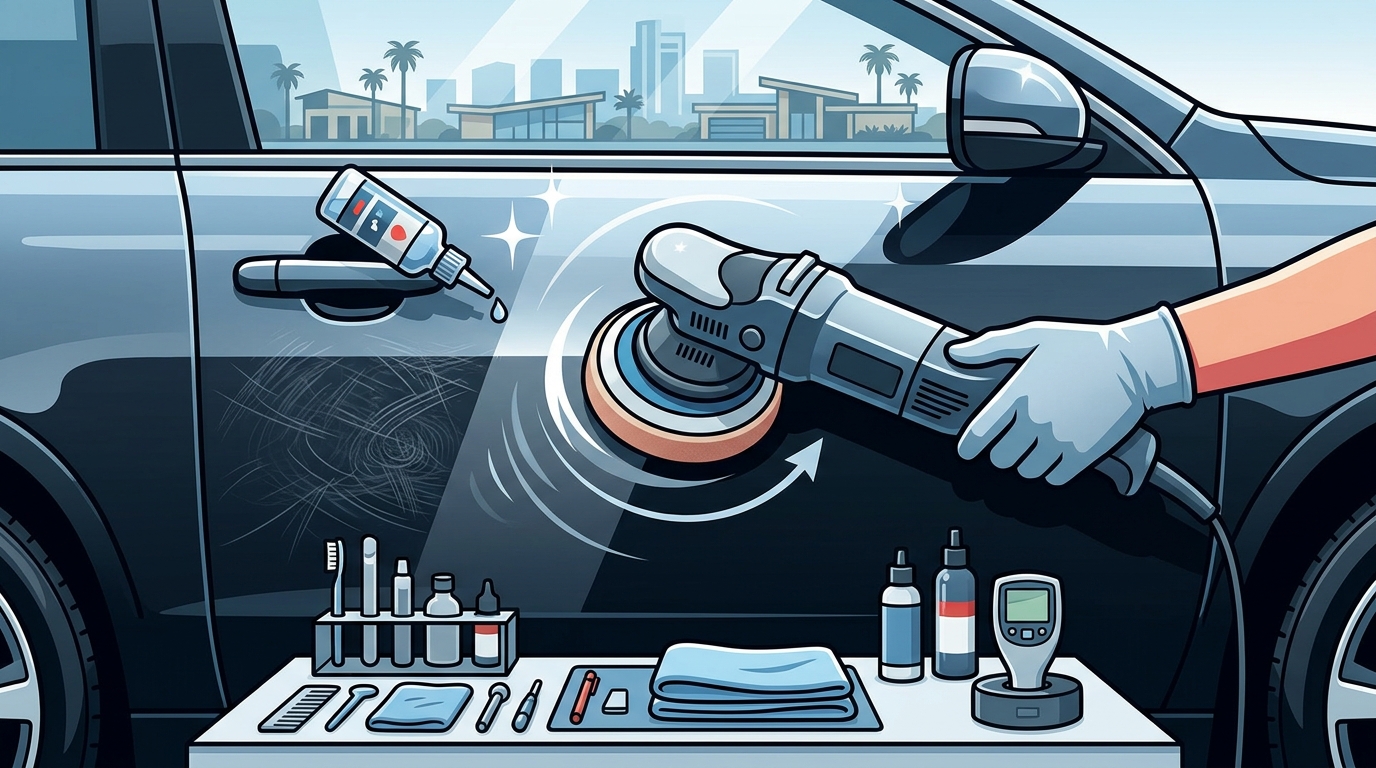
Ask if the service includes a clay bar treatment and iron decontamination. These steps remove bonded contaminants that washing alone cannot lift. Without proper decontamination, a coating will bond to dirt rather than the paint, leading to poor performance and premature failure.
Clear Coat Measurement
Professional detailers measure clear coat thickness before polishing. Ask if they use a paint depth gauge. This ensures they do not remove too much clear coat, which can lead to thin spots and permanent damage. If a provider cannot explain why they measure thickness, they may not be performing a safe correction.
Verifying Claims and Credentials
Marketing claims are easy to make, but verification is difficult. You should check for third-party reviews and specific product certifications. Trust in a local business is built on transparency and verifiable track records.
Review Analysis
Look for reviews that mention specific outcomes, such as swirl removal or hydrophobic performance. A 5-star rating from over 250 clients, as seen with Phenomenal Auto Care, suggests a consistent level of customer satisfaction. Read the responses to negative reviews to see how the business handles issues.
Product Certifications
Check if the detailer is certified by the manufacturers of the products they use. For example, STEK Paint Protection Film and specific ceramic coating brands often require installers to meet certain standards. Certification ensures the installer understands the specific curing times and application techniques required for warranty eligibility.
The Step-by-Step Process
Understanding the workflow helps you set realistic expectations for time and results. The process is methodical and cannot be rushed without compromising quality. Each step serves a specific purpose in preparing the surface for protection.
Stage 1: Decontamination
The process begins with a thorough wash and wheel clean. Next, a clay bar or synthetic clay is used to remove embedded contaminants. Iron decontamination may also be applied to remove brake dust particles. This stage ensures the paint is physically smooth and free of foreign objects.
Stage 2: Correction
Polishing is the core of paint correction. A single-stage polish removes light swirls and haze. A two-stage correction uses a heavy cut polish followed by a finer finishing polish. This removes deeper scratches and restores optical clarity. The goal is to create a mirror-like surface that is ready for bonding.
Stage 3: Protection
After polishing, the paint is wiped down with a solvent to remove all oils and residues. The ceramic coating is then applied in thin, even layers. The coating cures over a specific period, forming a hard, glass-like layer over the paint. This layer provides hydrophobic properties and chemical resistance.
Cost Factors and Pricing
Pricing for paint correction and ceramic coating varies based on several factors. Understanding these drivers helps you budget accurately and avoid unexpected fees. Prices are not one-size-fits-all and depend on the condition of the vehicle.
Vehicle Condition
The number of defects on the paint determines the time required for correction. A car with heavy swirl marks requires more polishing passes than a newer vehicle. This directly impacts the labor cost. A light polish is less expensive than a multi-stage correction.
Coating Duration
Ceramic coatings are priced based on their longevity. A one-year coating is less expensive than a five-year or lifetime coating. Longer-lasting coatings use higher-quality chemicals and require more precise application. They also come with longer warranty periods, which justify the higher price point.
Common Mistakes to Avoid
Many vehicle owners make errors that compromise their investment. Avoiding these mistakes ensures your paint remains protected and looks its best. Awareness of these pitfalls saves money and frustration.
Skipping Maintenance
Ceramic coatings are not maintenance-free. They require regular washing to maintain their hydrophobic properties. Neglecting to wash the car allows dirt to bond to the coating, reducing its effectiveness. Schedule a maintenance detail one to two times per year to inspect and refresh the coating.
Improper Washing
Using harsh chemicals or abrasive cloths can damage the coating. Always use pH-neutral soaps and soft microfiber towels. Automatic car washes with brushes can cause swirl marks on the coating. Hand washing is the safest method for maintaining a coated vehicle.
Comparing Protection Options
There are several ways to protect your vehicle's paint. Each option has different benefits, costs, and limitations. Choosing the right combination depends on your driving habits and budget.
| Protection Type | Duration | Primary Benefit | Limitation |
|---|---|---|---|
| Ceramic Coating | 1 to 5+ Years | Chemical resistance, gloss, hydrophobicity | Does not prevent physical scratches |
| Paint Protection Film (PPF) | 5 to 10 Years | Physical impact resistance, self-healing | Higher upfront cost, visible edges if not installed well |
| Paint Sealant | 3 to 6 Months | Affordable, easy to apply | Short duration, less chemical resistance |
For maximum protection, many owners combine PPF on high-impact areas like the front bumper and hood with a ceramic coating on the rest of the vehicle. This hybrid approach balances cost and protection.
Scenario-Based Recommendations
Different driving scenarios require different protection strategies. Tailoring your approach to your specific needs ensures you get the best value. Consider your daily environment and how you use the vehicle.
Highway Drivers
If you drive on highways frequently, rock chips are a major concern. PPF on the front end is highly recommended. A ceramic coating on the rest of the car helps with cleaning and UV protection. This combination addresses both physical and environmental threats.
Urban Commuters
City drivers face less rock chip risk but more exposure to bird droppings and tree sap. A ceramic coating is ideal for these scenarios because it makes contaminants easier to remove. PPF is less critical unless you park in tight spaces where door dings are likely.
Warranties and Consumer Protections
Understanding the warranty terms protects your investment. Most professional detailers offer warranties on their coatings, but the terms vary. Read the fine print to know what is covered and what is excluded.
Warranty Conditions
Warranties typically require proper maintenance. If you fail to wash the car regularly or use harsh chemicals, the warranty may be voided. Phenomenal Auto Care requires clients to schedule a maintenance detail one to two times per year to keep the warranty active. This ensures the coating continues to perform as intended.
Transferability
Some warranties are transferable if you sell the vehicle. This can be a selling point for potential buyers. Check with your provider to see if their warranty transfers to the new owner. A transferable warranty adds value to your vehicle.
Gilbert and East Valley Specifics
Arizona's climate presents unique challenges for vehicle owners. The intense sun and heat accelerate paint degradation. Understanding these local factors helps you choose the right protection.
UV Exposure
Gilbert receives high levels of UV radiation year-round. This causes paint to fade and oxidize. A ceramic coating provides UV resistance that helps preserve the paint's color and depth. Window tint also plays a role in protecting the interior from UV damage.
Heat and Dust
High temperatures can cause brake dust to bake onto wheels. Regular wheel cleaning is essential to prevent etching. The dust in the East Valley can also settle on the paint, requiring frequent washing. A hydrophobic coating makes this process faster and easier.
Optimal Timing for Application
Seasonal Considerations
Spring and fall are often the best times for detailing. The weather is mild, which is ideal for coating application. Summer heat can make curing more challenging, while winter is not a concern in Arizona but may affect availability. Booking in advance ensures you get the slot you want.
Pre-Event Preparation
If you are selling your car or attending a car show, schedule the service a few weeks in advance. This allows time for any touch-ups or adjustments. A freshly corrected and coated car will stand out and command a higher price or admiration.
Long-Term Results and Maintenance
The benefits of paint correction and ceramic coating are long-lasting. With proper care, you can enjoy a showroom finish for years. Monitoring the coating's performance helps you maintain its effectiveness.
Hydrophobic Performance
Water should bead and sheet off the surface easily. If water starts to lay flat, the coating may be degrading. A maintenance detail can restore the hydrophobic properties. Regular inspection ensures you catch any issues early.
Gloss and Depth
The coating enhances the paint's gloss and depth. Over time, this effect may diminish slightly. A maintenance top coat can refresh the look. Consistent care ensures your vehicle continues to look its best.
Key Takeaways
- Phenomenal Auto Care offers professional paint correction and ceramic coating in Gilbert, AZ.
- Verify provider credentials by checking for product certifications and detailed reviews.
- Ask about clear coat measurement and decontamination steps before booking.
- Costs vary based on vehicle condition and coating duration.
- Combine PPF and ceramic coating for maximum protection against chips and UV.
- Maintenance details are required to keep the warranty active.
- Arizona's UV exposure makes ceramic coating a critical investment.
- Schedule services in advance to ensure availability and optimal results.
Frequently Asked Questions
Does Phenomenal Auto Care serve Gilbert, AZ?
Yes, Phenomenal Auto Care provides mobile detailing services throughout Gilbert and the surrounding East Valley area. They bring professional equipment directly to your location.
How long does paint correction take?
The duration depends on the vehicle's condition. A light polish may take a few hours, while a multi-stage correction can take one to two days. The provider will give you a specific estimate after inspecting the paint.
Is ceramic coating worth it in Arizona?
Yes, the intense sun and heat in Arizona make ceramic coating highly beneficial. It provides UV resistance and makes cleaning easier, protecting your investment.
Can I wash my car after ceramic coating?
You should wait for the coating to cure fully before washing. Typically, this is 24 to 48 hours. After curing, you can wash the car, but you must use pH-neutral products and soft towels.
What is the difference between a sealant and a ceramic coating?
A sealant is a synthetic polymer that lasts a few months. A ceramic coating is a liquid polymer that bonds chemically to the paint and lasts years. Ceramic coatings offer superior durability and chemical resistance.
Do I need paint correction before ceramic coating?
Yes, paint correction is recommended to remove defects before applying the coating. If you coat over swirls or scratches, they will be locked in under the coating. Correction ensures a smooth, flawless base.